
We Save Your Teeth, We Relieve Your Pain!
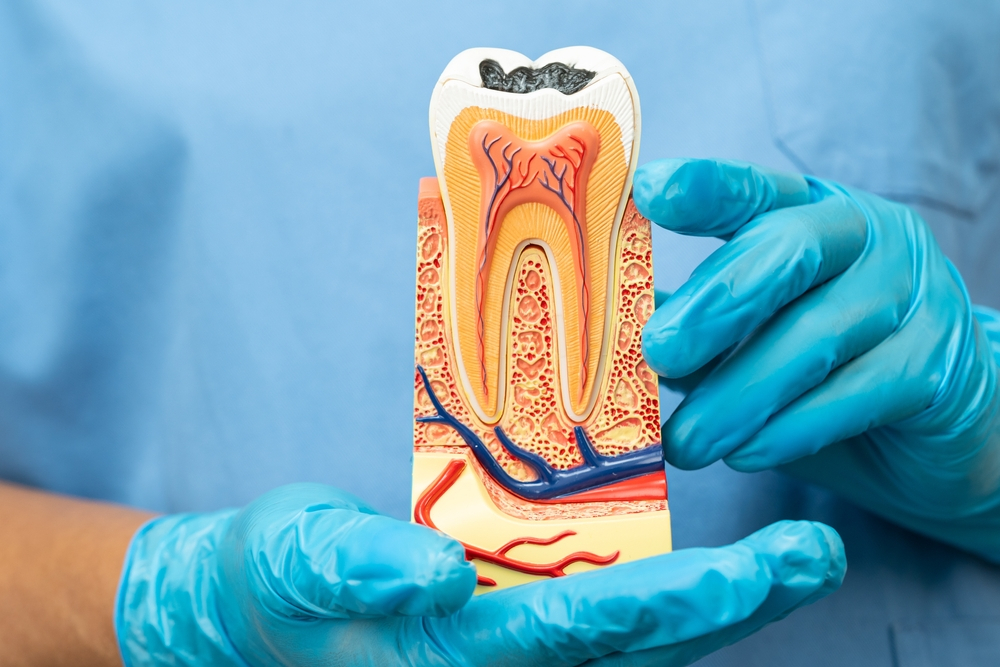
The pulp is the living tissue located inside the tooth, consisting of nerves and blood vessels. Deep decay, trauma, or cracks can cause the pulp to become inflamed or infected. This condition may lead to severe pain, sensitivity, and, if left untreated, tooth loss. The root canal treatment (endodontic therapy) we perform in our clinic is a highly effective and reliable procedure that preserves the tooth by removing the infected or inflamed pulp tissue instead of extracting the tooth.
Saving your tooth with a root canal treatment rather than extraction is the best way to maintain natural chewing function, speech, and the aesthetic appearance of your smile.
Types of Root Canal Treatments
Although the principles of root canal treatment are similar in both children and adults, there are specific approaches designed for different clinical situations:
Primary (Initial) Root Canal Treatment: This is the standard root canal procedure performed when the pulp becomes inflamed or infected for the first time.
Retreatment (Secondary Root Canal Treatment): Applied to teeth that have previously undergone root canal treatment but did not heal properly or became reinfected. The old filling materials are removed, the canals are cleaned again, and the root canal is refilled. This procedure can be more complex than the initial treatment.
Surgical Endodontic Treatment (Apicoectomy): In cases where infection persists at the root tip (apex) despite root canal treatment, the root tip and infected tissue are surgically removed. This technique is also used when access to the canal is not possible or when a broken instrument is lodged inside the canal.
Pulpotomy / Pulpectomy (in Primary Teeth): These procedures are commonly performed on children’s baby teeth. A pulpotomy involves removing only the infected pulp in the crown portion of the tooth, while a pulpectomy removes infected pulp from both the crown and the root canals. The goal is to maintain the baby tooth and preserve space for the permanent tooth.
Stages of Root Canal Treatment in Our Clinic
Root canal treatment in our clinic is performed painlessly and comfortably using modern equipment and up-to-date techniques. The procedure generally includes the following steps:
Examination and Diagnosis: The first and most critical stage. Our dentist evaluates the condition of your tooth with a thorough examination and periapical or panoramic X-ray imaging. Pain symptoms, sensitivity tests, and hot/cold response tests are used to assess the vitality of the tooth. After diagnosis, your treatment plan is explained in detail.
Anesthesia Application: Local anesthesia is administered to ensure a completely painless procedure. You will remain comfortable throughout the treatment.
Isolation of the Tooth (Rubber Dam): Keeping the tooth free from saliva and bacteria is essential during treatment. For this purpose, a rubber dam is placed to isolate the tooth, creating a sterile environment and preventing disinfectant solutions from entering the mouth.
Access to the Pulp Chamber: A small opening is made in the crown of the tooth to reach the pulp chamber and access the root canals.
Cleaning and Shaping of the Canals: Using special endodontic files (manual or rotary systems), the infected or inflamed pulp tissue is completely removed from the root canals. The canals are disinfected with special solutions. During this step, the canal length is precisely determined using an apex locator and X-ray imaging. The canals are then shaped to allow for proper filling.
Root Canal Filling: The cleaned and shaped canals are filled with a biocompatible material called gutta-percha along with a special sealer. This prevents the canals from becoming reinfected.
Restoration of the Tooth (Filling or Crown): After the root canal is completed, the opening in the tooth is sealed with a temporary or permanent filling. Because root canal–treated teeth may become more fragile over time, a dental crown may be recommended—especially for back teeth or teeth with significant structural loss—to protect the tooth and improve longevity. Your dentist will determine the most suitable restoration option for your tooth.
Follow-Up Appointments: Follow-up visits may be scheduled to monitor the healing process and ensure treatment success.
At our clinic, we are here to support all your endodontic needs. With advanced technology, experienced specialists, and a patient-centered approach, we aim to save your teeth and restore a healthy, pain-free smile. If you experience tooth pain, sensitivity, or suspect infection, contact us for more information or to schedule an appointment.